The Ultimate Guide To Opaque Doors: Enhancing Privacy And Style
 Matthew Underwood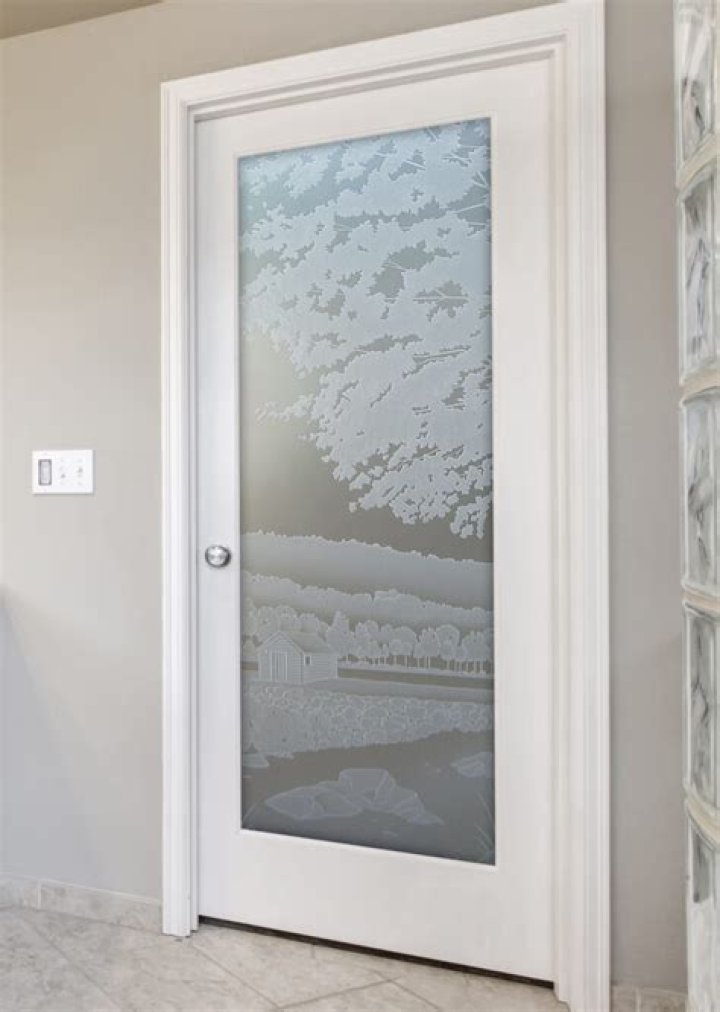
Opaque doors: What are they, and why are they important?
Opaque doors are doors that do not allow light to pass through them. They are often used in applications where privacy is important, such as in bathrooms and bedrooms. Opaque doors can also be used to create a sense of mystery or intrigue, as they can hide what is behind them.
There are many different types of opaque doors available, each with its own unique benefits and drawbacks. Some of the most common types of opaque doors include:
Solid wood doors: Solid wood doors are a classic choice for opaque doors. They are durable, soundproof, and can be stained or painted to match any dcor. However, solid wood doors can be expensive and heavy.
Laminate doors: Laminate doors are a more affordable option than solid wood doors. They are made from a composite material that is covered with a laminate finish. Laminate doors are available in a wide variety of colors and styles, and they are easy to clean and maintain. However, laminate doors are not as durable as solid wood doors and can be scratched or damaged if not handled carefully.
Glass doors with blinds or curtains: Glass doors with blinds or curtains can provide both privacy and light. The blinds or curtains can be opened or closed to control the amount of light that enters the room. However, glass doors are not as soundproof as solid wood doors or laminate doors.
The choice of which type of opaque door to use will depend on the specific needs of the application. Solid wood doors are a good choice for areas where privacy and soundproofing are important, while laminate doors are a more affordable option for areas where durability is not as important.
Opaque doors
There are several key aspects to consider when choosing opaque doors, including:
- Privacy: Opaque doors are essential for maintaining privacy in areas such as bathrooms and bedrooms.
- Soundproofing: Opaque doors can help to reduce noise levels in a room, making them a good choice for areas such as offices and libraries.
- Durability: Opaque doors should be durable enough to withstand regular use and abuse.
- Style: Opaque doors should complement the style of the room in which they are installed.
Opaque doors and Security
In addition to the key aspects listed above, opaque doors can also play a role in security. Opaque doors can make it more difficult for intruders to see into a room, which can deter them from breaking in. Additionally, opaque doors can help to protect against vandalism, as they are more difficult to break or damage than clear glass doors.
Opaque doors and Energy Efficiency
Opaque doors can also help to improve energy efficiency in a building. By blocking out light, opaque doors can help to reduce heat gain in the summer and heat loss in the winter. This can lead to lower energy bills and a more comfortable indoor environment.
Conclusion
Opaque doors are an important part of any building. They provide privacy, soundproofing, security, and energy efficiency. When choosing opaque doors, it is important to consider the specific needs of the application. By carefully considering all of the factors involved, you can choose the perfect opaque doors for your home or business.
Frequently Asked Questions about Opaque Doors
Opaque doors are an important part of any building, providing privacy, soundproofing, security, and energy efficiency. Here are some frequently asked questions about opaque doors:
Question 1: What are the different types of opaque doors available?
Answer: There are many different types of opaque doors available, each with its own unique benefits and drawbacks. Some of the most common types of opaque doors include solid wood doors, laminate doors, and glass doors with blinds or curtains.
Question 2: What are the key factors to consider when choosing opaque doors?
Answer: The key factors to consider when choosing opaque doors include privacy, soundproofing, durability, and style. It is important to consider the specific needs of the application when choosing opaque doors.
Question 3: Can opaque doors help to improve energy efficiency?
Answer: Yes, opaque doors can help to improve energy efficiency in a building. By blocking out light, opaque doors can help to reduce heat gain in the summer and heat loss in the winter. This can lead to lower energy bills and a more comfortable indoor environment.
Summary: Opaque doors are an important part of any building, providing privacy, soundproofing, security, and energy efficiency. When choosing opaque doors, it is important to consider the specific needs of the application. By carefully considering all of the factors involved, you can choose the perfect opaque doors for your home or business.
Conclusion
Opaque doors play a vital role in modern architecture, offering a multitude of benefits that enhance the functionality, privacy, and aesthetics of buildings. They provide essential soundproofing, ensuring tranquility in spaces like offices, libraries, and bedrooms. Opaque doors contribute to energy efficiency by regulating heat flow, leading to reduced energy consumption and a more sustainable environment.
Moreover, opaque doors enhance security by deterring intruders and protecting against vandalism. Their ability to conceal the contents of a room adds an element of mystery and intrigue, making them suitable for both residential and commercial settings. By carefully considering factors such as privacy, soundproofing, durability, and style, architects and designers can select the ideal opaque doors to complement any building.
Tips From Mary Munanu On How To Create A Successful Online Business
Distinctive Madagascar Movie Shots
Unveiling The Allure Of POV Oral Storytelling
Opaque Single Prehung Passage Door in Unfinished Oak or Pine
Opaque Double Prehung Passage Door Frosted Tempered Glass