Create Artistic Easter Sunday Drawings
 David Osborn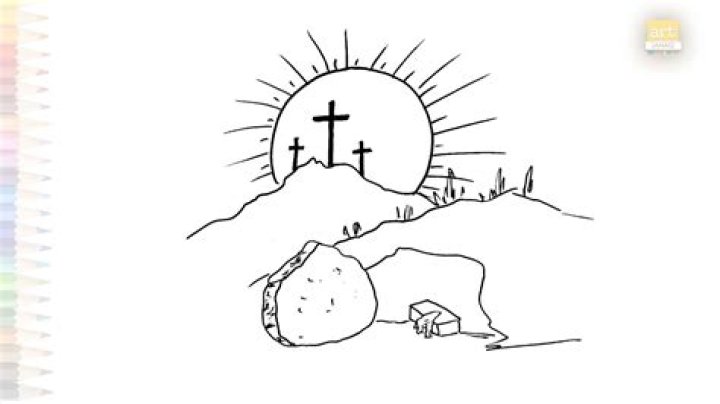
Unlock the Creativity of "Easter Sunday Drawing" for a Joyous Celebration
Easter Sunday drawing is a cherished tradition that brings families and friends together to express their creativity and celebrate the joy of Easter. It involves creating artistic representations of Easter-themed symbols, such as bunnies, eggs, flowers, and religious figures, often using crayons, markers, or paint.
The beauty of Easter Sunday drawing lies in its simplicity and accessibility. It allows people of all ages and skill levels to participate, fostering a sense of community and shared experience. Moreover, it provides an opportunity for children to develop their imagination, fine motor skills, and artistic expression.
Easter Sunday drawing also holds cultural and religious significance. In many Christian traditions, it symbolizes the renewal of life and the triumph of good over evil, as represented by the resurrection of Jesus Christ. The act of drawing Easter-themed images serves as a reminder of this central belief.
Easter Sunday Drawing
The key aspects of Easter Sunday drawing include:
- Symbolism: Easter drawings often incorporate symbols associated with the holiday, such as bunnies (fertility), eggs (new life), flowers (beauty), and religious figures (faith).
- Creativity: Easter Sunday drawing encourages imagination and self-expression, allowing individuals to create unique and personal works of art.
- Community: The activity fosters a sense of togetherness and shared joy, bringing people together for a creative and meaningful experience.
- Education: Easter Sunday drawing can be used as an educational tool to teach children about the history and symbolism of Easter.
The Importance of Easter Sunday Drawing
Easter Sunday drawing holds immense importance for several reasons:
- Preservation of Tradition: It helps preserve the cultural and religious traditions associated with Easter, passing them down to future generations.
- Emotional Expression: Drawing provides a creative outlet for individuals to express their emotions and connect with the spiritual themes of Easter.
- Cognitive Development: The activity stimulates cognitive skills, such as problem-solving, spatial reasoning, and hand-eye coordination.
- Social Interaction: Easter Sunday drawing encourages social interaction and collaboration, fostering a sense of community and belonging.
Easter Sunday Drawing
To make Easter Sunday drawing more enjoyable and meaningful, consider the following tips and activities:
- Gather a Variety of Materials: Provide a range of art supplies, such as crayons, markers, paint, paper, and stencils, to encourage creativity and experimentation.
- Set a Festive Atmosphere: Create a cheerful and inviting space for drawing, with Easter decorations, music, and refreshments.
- Share Easter Stories and Symbols: Engage in storytelling or discussions about the history and significance of Easter symbols to enhance the connection between the activity and the holiday.
- Display the Artwork: Showcase the completed drawings in a prominent place to celebrate the creativity and joy of the occasion.
Easter Sunday drawing is a cherished tradition that brings people together to celebrate the joy and symbolism of Easter. By embracing its creative, communal, and educational aspects, we can preserve this meaningful practice for generations to come.
Frequently Asked Questions About Easter Sunday Drawing
To provide further clarification and address common inquiries, here are some frequently asked questions about Easter Sunday drawing:
Question 1: What is the significance of Easter Sunday drawing?
Easter Sunday drawing holds cultural, religious, and educational significance. It symbolizes the renewal of life and the triumph of good over evil, as represented by the resurrection of Jesus Christ. The activity also fosters creativity, community, and cognitive development.
Question 2: What materials are suitable for Easter Sunday drawing?
A variety of art supplies can be used for Easter Sunday drawing, including crayons, markers, paint, paper, and stencils. The choice of materials depends on personal preference and the desired artistic effects. However, it is important to ensure that the materials are age-appropriate and safe for use.
Question 3: How can I make Easter Sunday drawing more engaging for children?
To make Easter Sunday drawing more engaging for children, consider incorporating storytelling or discussions about the history and symbolism of Easter. Encourage them to explore different art techniques and materials, and provide a variety of Easter-themed drawing prompts. Additionally, creating a festive atmosphere with music and decorations can enhance their enjoyment and creativity.
Summary:
Easter Sunday drawing is a meaningful tradition that brings people together to celebrate the joy and symbolism of Easter. By embracing its creative, communal, and educational aspects, we can preserve this practice for generations to come.
Conclusion
Easter Sunday drawing stands as a cherished tradition, deeply rooted in the cultural and religious observances of Easter. Through the act of creating artistic representations of Easter-themed symbols, we not only express our creativity but also connect with the deeper meanings and emotions associated with this sacred holiday.
The enduring legacy of Easter Sunday drawing lies in its ability to foster a sense of community, preserve cultural heritage, and inspire spiritual reflection. By embracing this tradition, we celebrate the joy and renewal that Easter brings while passing on its timeless message to future generations.
Saudi Arabian Footballer Abdulellah Al-Malki: A Star On The Rise
The Legendary Striker: Pedro Miguel Pauleta
Orlando Draya: Unveiling The Enchanting City
Free Vector Handdrawn easter sunday illustration
Pictures for Easter Sunday, Year A, B or C